Our brand metamorphosis: ANGEL becomes ANGEL React

ANGEL is now called ANGEL React

What happened?

⚡ Our product portfolio is growing and has earned its brand.
🐱‍🏍 ADRESYS is now our experts’ new, old employer brand.
🎉 React describes what our systems do without exception: react and get help.

🤫 Pssst… Stay tuned! Next week we will finally air our new product.

Sign up directly for our newsletter on the home page to stay up to date!
Emergency Detection Device vs. Smartphone App: What Keeps You Safe at Work?

Why invest in a dedicated emergency detection device when your smartphone already offers safety features?
It’s a valid question — and one we often hear at ADRESYS. After all, smartphones are everywhere and packed with smart technology.
But when it comes to workplace safety, especially in high-risk environments, the details matter. That’s why we’ve taken a closer look at both solutions: their strengths, their limitations, and what they really offer when seconds count.

Indoor Positioning: Now Possible via Wi-Fi Access Points

Indoor positioning systems ensure that workers in an emergency can be located quickly by the ANGEL React System, even in large buildings or places without adequate GPS reception. To provide the highest possible safety, we have developed Location Beacons. However, for those who want to save on the cost and effort of acquiring and installing such beacons, we have good news: indoor positioning is now also possible via Wi-Fi access points.

Motionlessness Detection: These 3 Features Make It Reliable and Suitable for Everyday Use

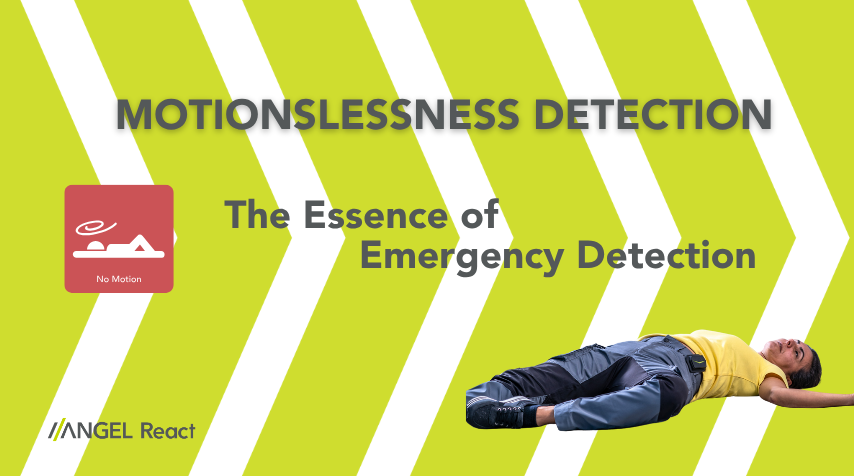
The common belief is that emergencies in everyday (work) life are easy to detect. Even a smartphone can often determine whether a person is moving or motionless—and trigger an alarm if needed. But isn’t the smartphone often just lying somewhere out of reach, making it impossible to detect an emergency? And how well can such a device distinguish between motionlessness and focused, quiet work?
Why isn’t emergency detection always what it seems—and what does usability have to do with saving lives? Read our article to find out.